


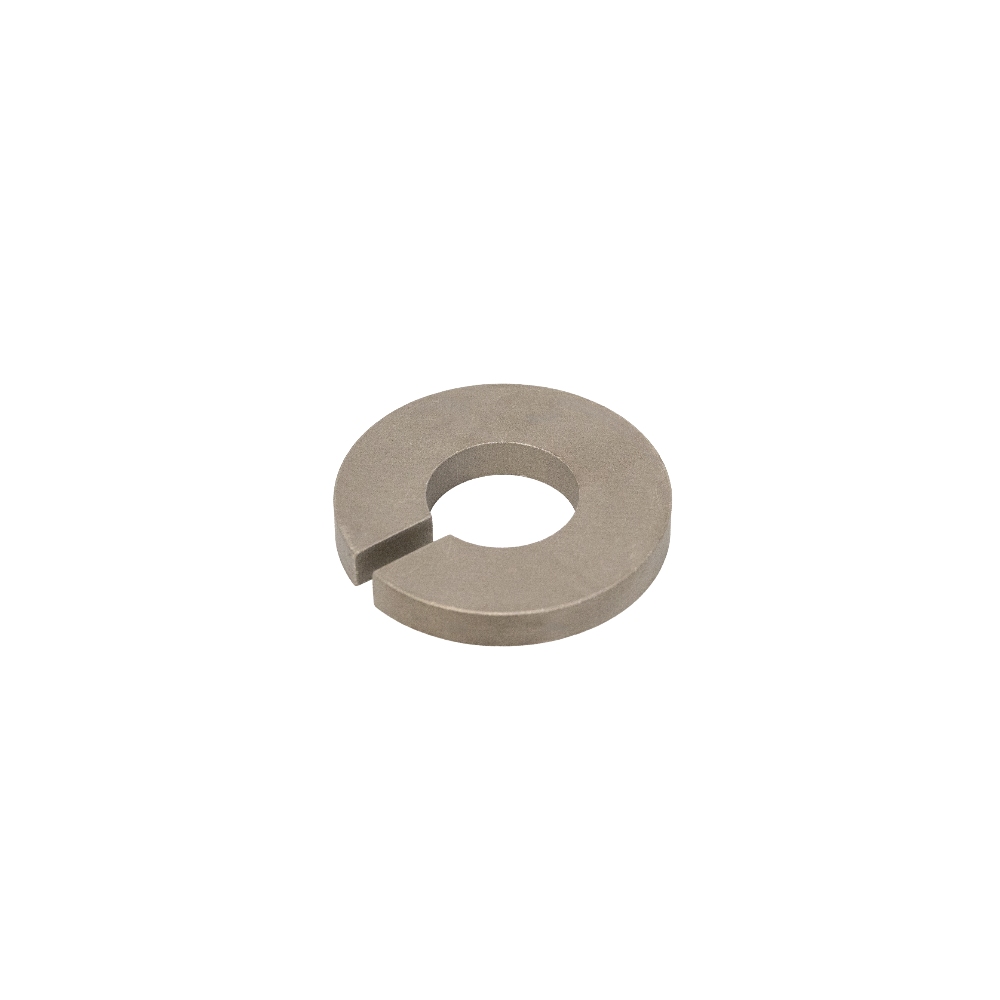
Servo motor designers face a critical engineering bottleneck when operating temperatures exceed 300°C: conventional NdFeB magnets suffer irreversible flux loss, while ferrites lack sufficient energy density. In aerospace actuators, high-speed precision spindles, and next-generation industrial automation systems, maintaining torque linearity, positional accuracy, and long-term magnetic stability under thermal stress is non-negotiable. This makes SmCo magnet high temperature performance not just advantageous—but foundational. This guide delivers a specification-led framework for samarium cobalt magnet selection, grounded in verified material behavior and application-critical constraints.
Understanding the Selection Challenge
High-temperature servo motors—especially those deployed in aerospace flight control surfaces, downhole drilling instrumentation, or high-duty-cycle robotic joints—demand permanent magnets that retain coercivity and remanence above 300°C. Standard NdFeB grades begin irreversible demagnetization as low as 150°C; even high-Hc variants degrade significantly beyond 200°C. Engineers often misinterpret datasheet Curie temperature as the operational ceiling—yet real-world magnetic circuit design, thermal gradients, and load transients impose stricter limits. The selection challenge is not merely about surviving heat—it is about sustaining predictable, repeatable magnetic output across the full duty cycle, without coating degradation, oxidation-induced embrittlement, or performance drift over time.
Key Evaluation Criteria
Selecting the right SmCo magnet for servo motor applications requires evaluating four interdependent criteria—each directly tied to verified technical specifications:
- Operating Temperature Compliance: SmCo magnets operate reliably above 300°C and support maximum operating temperatures up to 350°C. Unlike alternatives requiring derating or active cooling, SmCo enables simplified thermal management in compact servo housings—critical for weight-sensitive aerospace and space-constrained robotics.
- Series Selection (1:5 vs. 2:17): Both 1:5 type and 2:17 type SmCo magnets deliver high maximum energy product and strong coercivity. The 2:17 type generally offers higher magnetic performance—including greater (BH)max and improved temperature coefficient of coercivity—making it the preferred choice for torque-dense, high-efficiency servo designs where volumetric power density is prioritized.
-
Oxidation and Corrosion Resistance: SmCo magnets possess inherent corrosion resistance and excellent oxidation resistance. Surface coating is not required, eliminating risks of coating delamination, galvanic corrosion at assembly interfaces, or outgassing in vacuum environments—key for precision instruments and high-end motor applications.
- Magnetic Stability Under Thermal Cycling: Outstanding magnetic stability ensures minimal flux variation across repeated thermal cycles—from ambient startup to sustained high-temperature operation. This translates directly to reduced position error accumulation and consistent closed-loop response in servo control algorithms.
Common Mistakes Buyers Make
Procurement and design teams frequently introduce avoidable risk during samarium cobalt magnet selection:
- Assuming all SmCo grades behave identically: While both 1:5 and 2:17 types meet the >300°C operating threshold, their reversible temperature coefficients and demagnetization curve shapes differ. Using a 1:5 grade in a high-back-EMF, high-current servo may yield lower efficiency than a properly matched 2:17 variant—even if both remain technically functional.
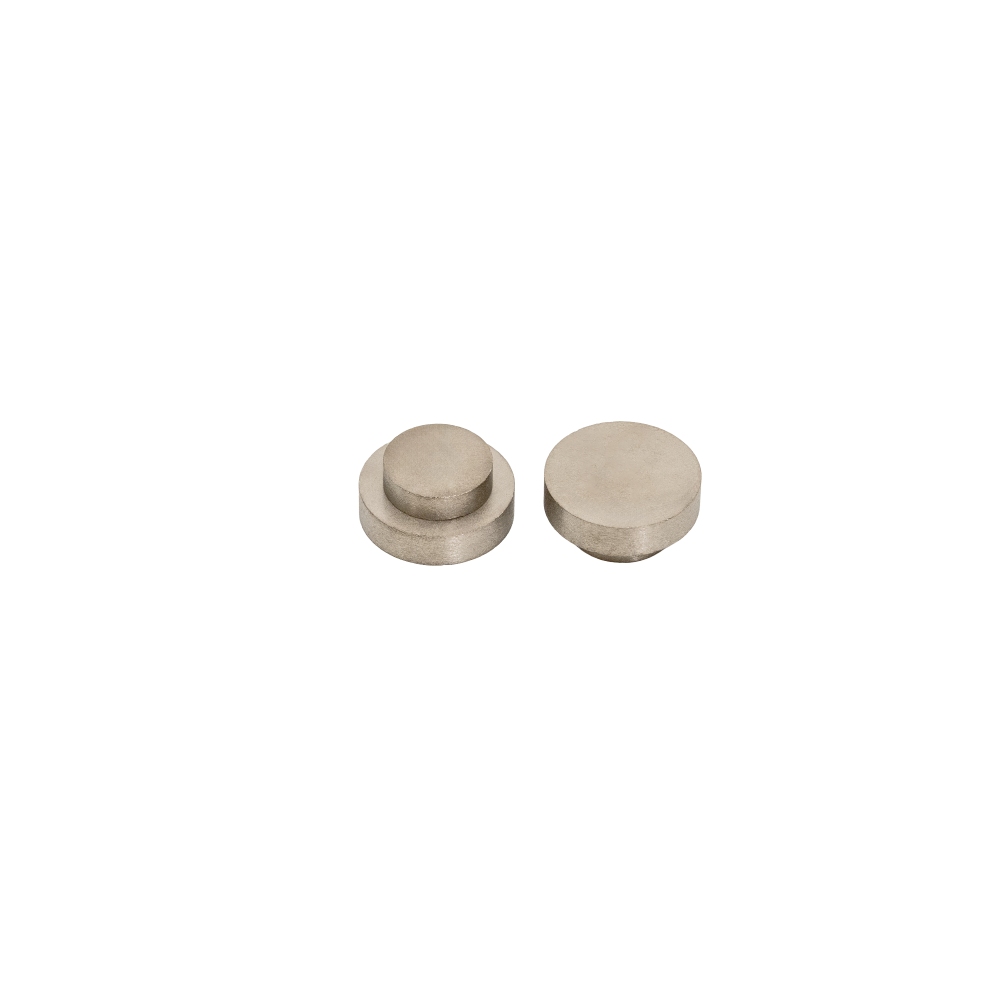
- Overlooking assembly integration requirements: Raw magnet blocks rarely drop into servo rotors unchanged. Precision machining—required for tight air-gap tolerances and rotor balance—must account for SmCo’s brittleness. Skipping supplier collaboration on the full production process (raw materials → melting → powder production → forming → sintering → testing → precision machining → inspection → packaging) increases scrap rates and delays.
- Substituting based on room-temperature Br values alone: A NdFeB magnet may show higher Br at 25°C—but its coercivity collapses disproportionately above 200°C. Comparing only ambient data ignores the core value proposition of SmCo vs NdFeB high temperature performance: stable Hcj retention, not peak Br.
Recommended Solution
For servo motor applications demanding continuous operation above 300°C—with reliability-critical
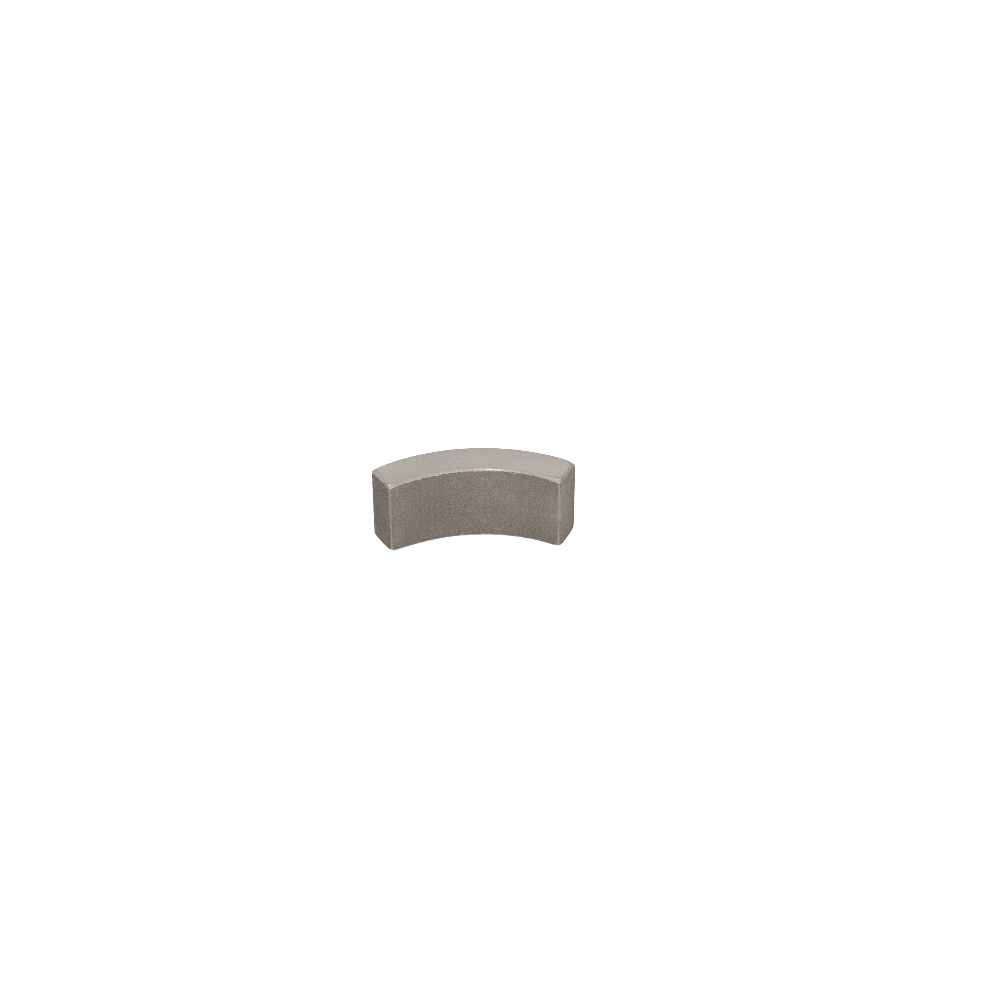
requirements in aerospace, precision instruments, and high-end motors—the engineered solution is a purpose-specified SmCo magnet grade 2:17. Its superior combination of high maximum energy product, strong coercivity, and excellent high-temperature resistance enables smaller, lighter, and more responsive motor architectures—without sacrificing lifetime stability.
This is not a generic off-the-shelf component. Optimal implementation requires alignment between magnet geometry, magnetic circuit topology, thermal interface design, and dynamic load profile. That is why SmCo Magnet solutions include fully customized magnetic assemblies—engineered to match rotor lamination stacks, shaft mounting configurations, and thermal expansion differentials. Whether integrating into a high-reliability actuator or a precision spindle motor, the assembly is co-developed—not catalog-selected.
FAQ
What is the maximum operating temperature of SmCo magnets?
SmCo magnets can operate reliably in environments above 300°C, with maximum operating temperatures reaching up to 350°C depending on the grade and magnetic circuit design.
What are the two main SmCo magnet series and how do they differ?
SmCo magnets are divided into 1:5 type and 2:17 type. Both series offer high maximum energy product, strong coercivity, and excellent high-temperature resistance, with the 2:17 type generally offering higher magnetic performance.
Do SmCo magnets require surface coating for corrosion protection?
No, SmCo magnets offer excellent oxidation resistance and inherent corrosion resistance, so surface coating is not required for most applications.
Why is SmCo preferred over NdFeB in high-temperature servo motors?
SmCo provides significantly stronger coercivity retention above 300°C, eliminating irreversible demagnetization risks under thermal and electrical load stress—where NdFeB performance degrades rapidly beyond 200°C.
Are customized magnetic assemblies available for servo motor integration?
Yes—customized magnetic assemblies are available based on specific project requirements, including precision-machined geometries, magnetization patterns, and mechanical mounting features aligned to rotor dynamics and thermal constraints.
Conclusion
Selecting magnets for high-temperature servo motors demands moving beyond ambient-condition benchmarks and focusing on validated thermal endurance, magnetic stability, and system-level integration. SmCo magnets—specifically the 2:17 type—meet the stringent requirement of reliable operation above 300°C and up to 350°C, with no need for protective coatings and proven performance across aerospace, precision instruments, and high-end motor applications. Their high maximum energy product and strong coercivity enable compact, high-torque designs where thermal resilience cannot be compromised. Contact our engineering team to discuss your application requirements.