


Overview
Designing or sourcing servo motor magnets for high-performance industrial applications demands precise material selection—especially when balancing torque density, thermal stability, and long-term reliability. Engineers and procurement managers face a recurring challenge: choosing between sintered NdFeB magnets and SmCo magnets without over-specifying, under-engineering, or compromising on industrial servo motor applications. This guide focuses exclusively on verified technical distinctions—not theoretical benchmarks—to support real-world decisions in industrial automation magnets, motion control systems, robotics, CNC machines, and factory automation.
Material Comparison
The foundational difference lies in composition and intrinsic properties. Sintered NdFeB (Neodymium Iron Boron) is the industry-standard material for modern high-efficiency servo motors due to its unmatched high magnetic energy product and excellent magnetic performance. It enables compact, high-torque motor designs essential for precision motor magnets in robotics and CNC spindles. In contrast, SmCo (Samarium Cobalt) offers higher Curie temperature and better intrinsic corrosion resistance—but at significantly lower magnetic energy density and higher cost.
Crucially, sintered NdFeB magnets are designed for industrial motor applications—not just laboratory conditions. Their material structure supports consistent field strength across dynamic load cycles, making them ideal for closed-loop motion control where field stability directly impacts position accuracy and repeatability.
Performance Comparison
When evaluating permanent magnets for servo motors, three interdependent performance axes matter most: magnetic output, thermal resilience, and mechanical integrity.
- Magnetic output: Sintered NdFeB delivers the highest magnetic energy product among commercially available permanent magnet materials—directly enabling higher power-to-volume ratios and faster acceleration in servo systems.
- Thermal resilience: While SmCo maintains coercivity at elevated temperatures (typically >250°C), standard sintered NdFeB grades operate reliably up to ~150°C—sufficient for most industrial automation magnets when properly thermally managed and coated. High-coercivity NdFeB variants further extend this range without sacrificing energy density.
- Mechanical integrity: Sintered NdFeB is suitable for precision machining, allowing tight tolerances required for rotor assemblies in high-speed servo motors. Its brittle nature is mitigated by optimized geometry design and robust coating systems—various coating options available ensure protection against oxidation and galvanic corrosion in humid or chemically aggressive factory environments.
Cost and Manufacturing Considerations
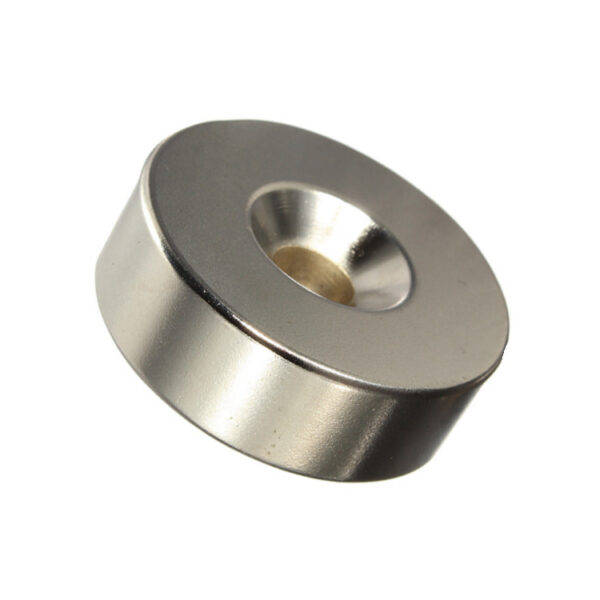
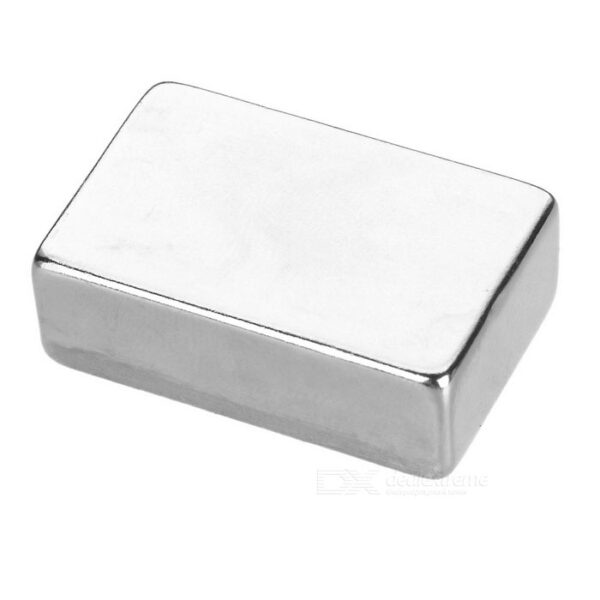
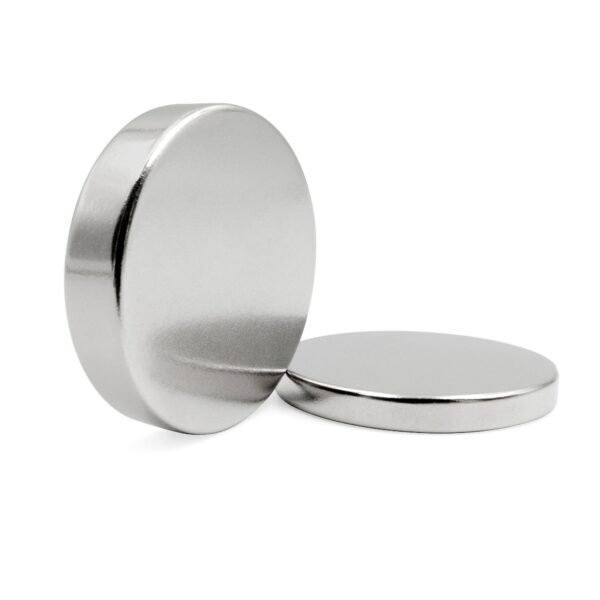
From a procurement and supply chain perspective, sintered NdFeB magnets offer compelling advantages. They are more abundant in raw material supply than SmCo, resulting in greater price stability and shorter lead times. More importantly, their compatibility with custom dimensions available and available in various shapes and sizes streamlines integration into existing motor platforms—reducing NRE costs and accelerating time-to-production.
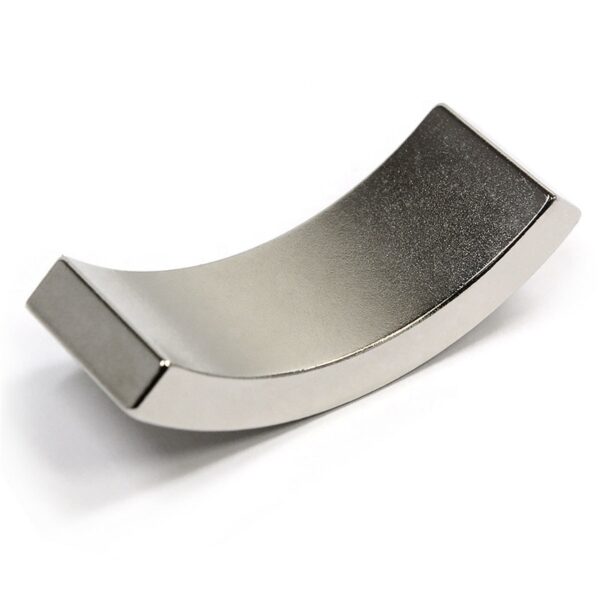
Manufacturing flexibility is critical: sintered NdFeB supports complex geometries (arcs, segments, trapezoids, multi-pole rings) and fine-feature machining (e.g., tolerance-critical mounting slots or balancing notches). This makes it the default choice for OEMs developing next-generation industrial servo motor applications where modularity, scalability, and precision are non-negotiable.
Best Applications for Each Option
Selection should follow application physics—not material prestige.
- Sintered NdFeB magnets are optimal for the vast majority of industrial servo motor applications, including:
- High-dynamic servo drives in robotics and pick-and-place systems
- Compact torque motors for CNC rotary tables
- Direct-drive servos in semiconductor handling equipment
- Factory automation actuators requiring high efficiency and fast response
- SmCo magnets remain appropriate only where operating temperatures exceed 180°C *and* cooling solutions are impractical—or where long-term exposure to salt spray or strong oxidizers eliminates all coating options for NdFeB. These are niche cases in industrial automation magnets, such as aerospace-grade actuators or downhole oil & gas tools—not mainstream factory-floor servo systems.
Which One Should You Choose?
For engineers designing or specifying servo motor magnets in 2026, the answer is clear: begin with sintered NdFeB magnets. Their high magnetic energy product, excellent magnetic performance, and proven suitability for industrial motor applications make them the technically and economically superior foundation. Reserve SmCo only after confirming that thermal or environmental constraints cannot be resolved through NdFeB grade selection, thermal management, or advanced coating systems.
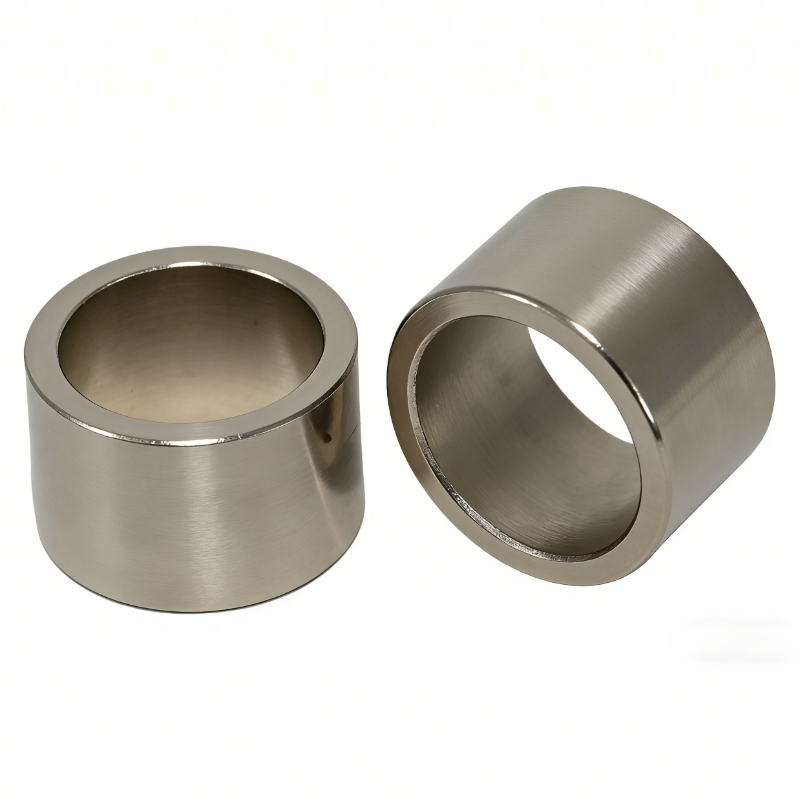
Nibboh’s Sintered NdFeB Magnet exemplifies this engineering-first approach: engineered for permanent magnets for servo motors, it features high magnetic strength, custom shapes available, precision machining, industrial motor applications, and various coating options. As a product classified under Permanent Magnets > Sintered NdFeB Magnets, it aligns precisely with the functional and compliance expectations of servo motor manufacturers and automation system integrators.
FAQ
Q: Why are Sintered NdFeB magnets commonly used in servo motors?
A: Because they provide high magnetic energy density, excellent torque performance, and stable efficiency for precision motion control systems.
Q: When should SmCo magnets be selected instead of NdFeB magnets?
A: SmCo magnets are preferred when applications require higher operating temperatures or superior corrosion resistance.
Q: Can Nibboh manufacture custom magnet dimensions?
A: Yes. Nibboh provides customized permanent magnets in various shapes, sizes, tolerances, coatings, and magnetic properties according to customer requirements.
Q: Are sintered NdFeB magnets suitable for precision machining in servo rotor assemblies?
A: Yes—they are explicitly suitable for precision machining, supporting tight geometric tolerances required in high-accuracy industrial servo motor applications.
Q: What coating options are available for sintered NdFeB magnets in factory automation environments?
A: Various coating options available—including nickel-copper-nickel (Ni-Cu-Ni), epoxy, zinc, and specialized passivations—tailored to humidity, chemical exposure, and thermal cycling profiles typical in industrial automation magnets.
Conclusion
Selecting the right permanent magnets for servo motors hinges on matching material capabilities to real-world application demands—not theoretical maxima. Sintered NdFeB magnets deliver the optimal balance of magnetic output, manufacturability, and cost-effectiveness for industrial servo motor applications, especially across robotics, CNC, and factory automation. SmCo remains a specialized alternative—valuable only where NdFeB’s limitations cannot be engineered around. As motor designs continue trending toward higher power density and tighter integration, sintered NdFeB—backed by precision manufacturing and application-specific coatings—will remain the dominant solution in the Permanent Magnets > Sintered NdFeB Magnets category. Contact our engineering team to discuss your application requirements.