


Overview
Design engineers and procurement managers face a recurring challenge when specifying magnetic components: selecting between Flexible Magnet and rigid alternatives—especially when performance, manufacturability, and environmental resilience must align across diverse industrial applications. A misstep in Magnet Material Selection can lead to premature field failures in Industrial Automation, compromised sealing in Automotive Components, or poor adhesion in Retail Displays. With growing demand for application-specific solutions—not off-the-shelf compromises—the distinction between Flexible vs Rigid Magnet is no longer about convenience; it’s about engineered suitability.
Material Comparison
The foundational difference lies in composition and structural behavior:
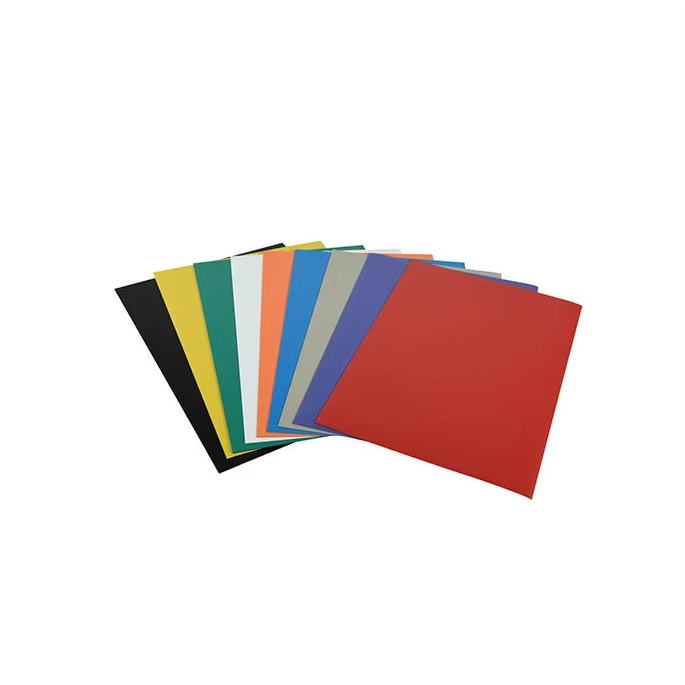
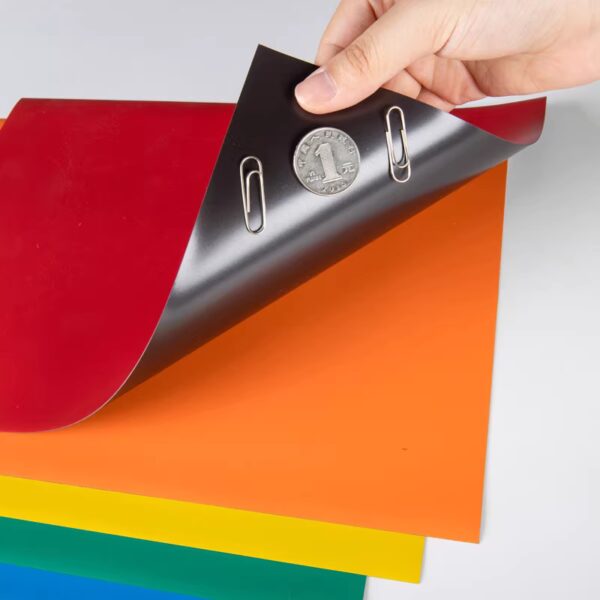
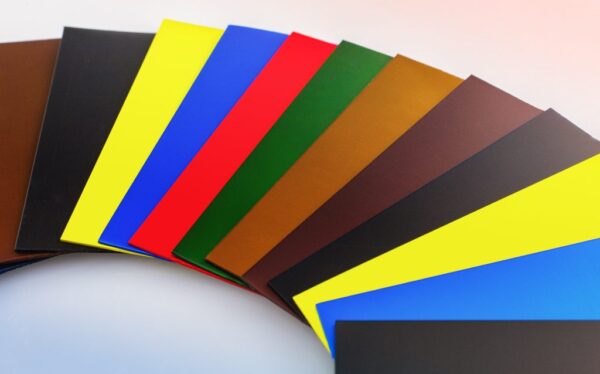
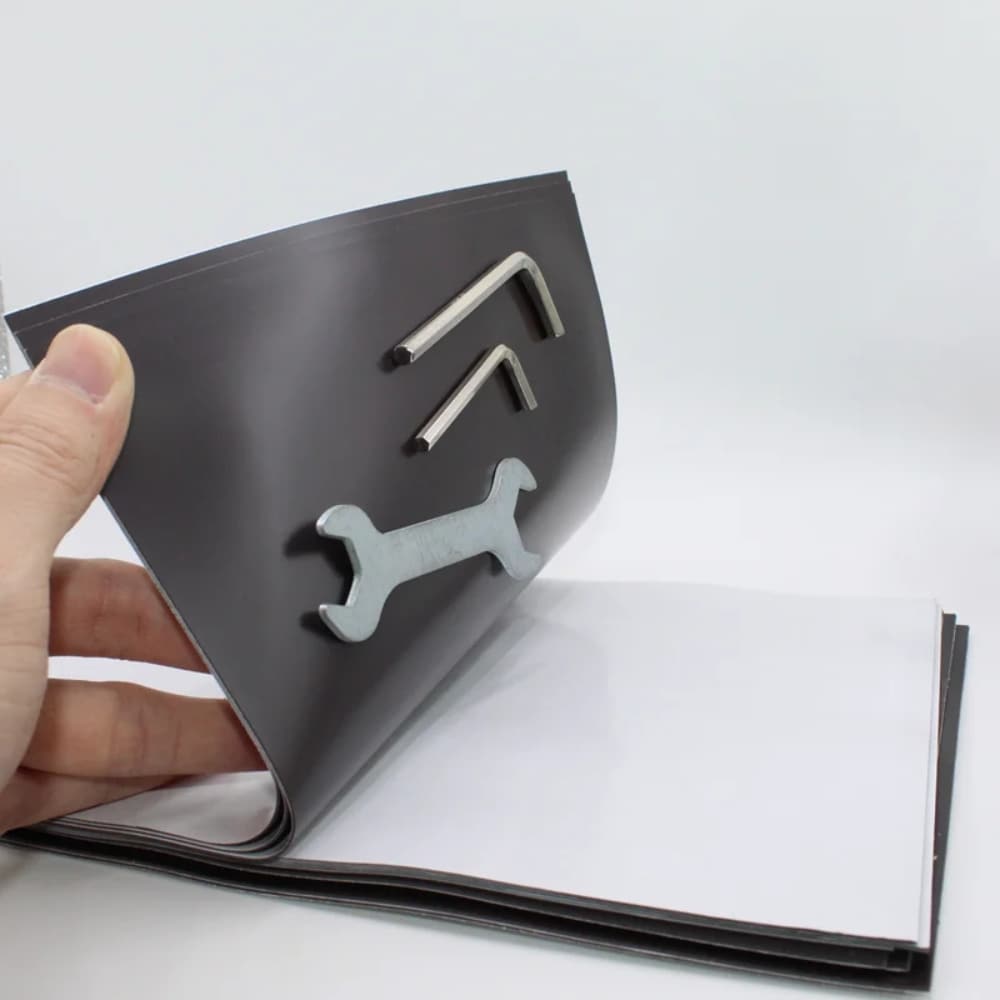
- Flexible Magnet is a Flexible magnetic material—typically magnetically loaded polymer composites—offering bendability, cuttability, and conformability. It is inherently lightweight and supports printable surface integration, making it ideal for Magnetic Labels, signage, and curved-surface mounting.
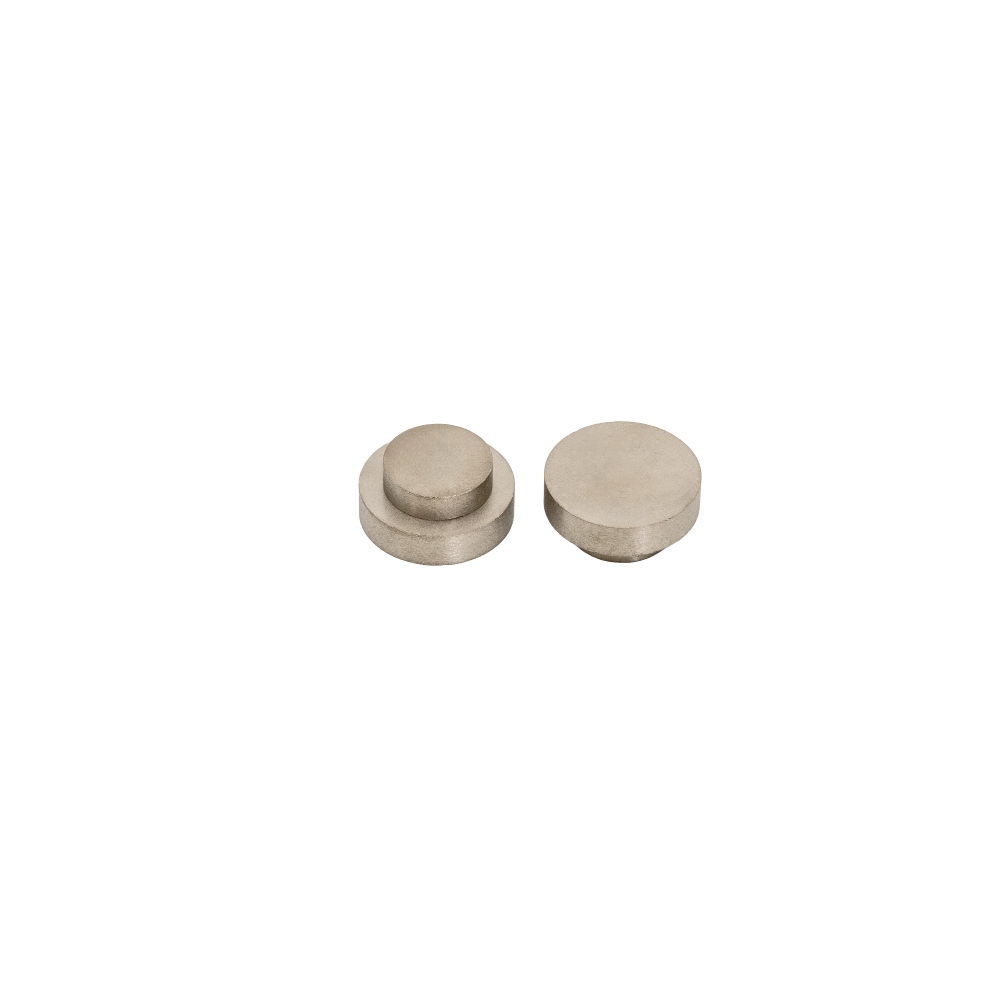
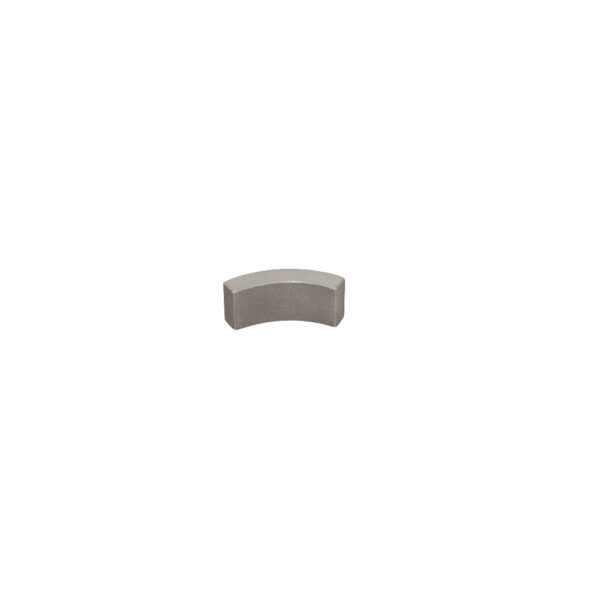
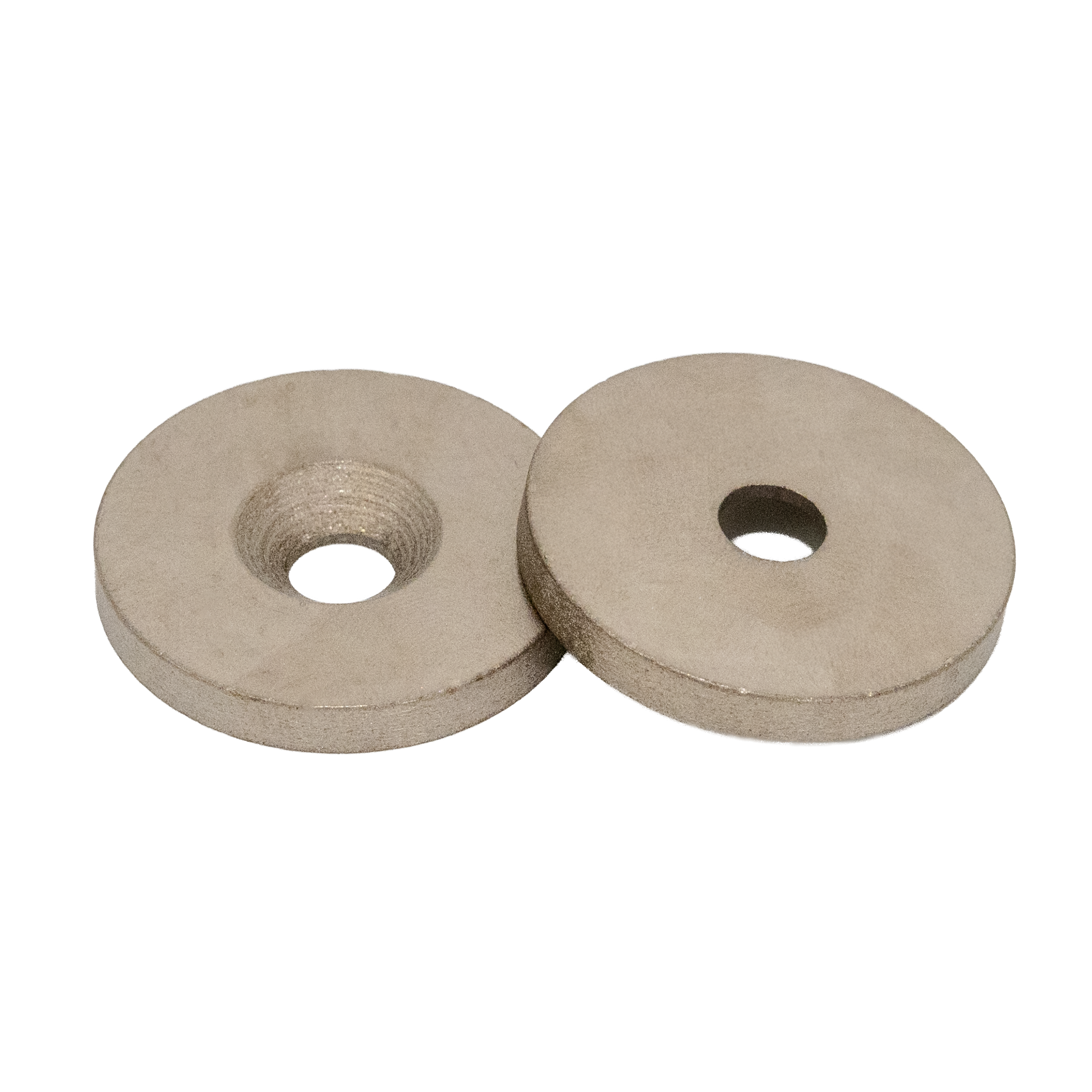
- SmCo Magnet (Samarium Cobalt) is a high-performance Industrial Permanent Magnet—a sintered rare-earth alloy classified as a rigid magnet. It delivers significantly higher magnetic energy density and is engineered for environments demanding excellent temperature stability and strong corrosion resistance.
Neither material replaces the other. Rather, they occupy complementary design spaces defined by mechanical, thermal, and functional requirements.
Performance Comparison
Performance trade-offs are not abstract—they directly impact system reliability and lifecycle cost:
- Magnetic Strength: As confirmed in industry-standard guidance, rigid magnets such as SmCo, NdFeB, and Ferrite generally provide much higher magnetic strength than flexible magnets. This makes SmCo Magnet the preferred choice for Sensors, Industrial Equipment, and Magnetic Assemblies where holding force, air-gap tolerance, or dynamic field consistency is critical.
- Thermal & Environmental Behavior: SmCo Magnet exhibits excellent temperature stability and strong corrosion resistance—key for under-hood automotive systems, sterilizable Medical Devices, or high-heat industrial enclosures. In contrast, Flexible Magnet maintains functional integrity at ambient and moderately elevated temperatures but is not rated for extreme thermal exposure.
- Mechanical Adaptability: Only Flexible Magnet qualifies as a Flexible magnetic sheet—capable of conforming to non-planar surfaces, supporting die-cutting, lamination, and custom magnetization patterns. This enables rapid prototyping and integration into Retail Displays, gasketing, and modular fixtures without secondary machining.
Cost and Manufacturing Considerations
Manufacturing scalability and part-level flexibility strongly influence total cost of ownership:
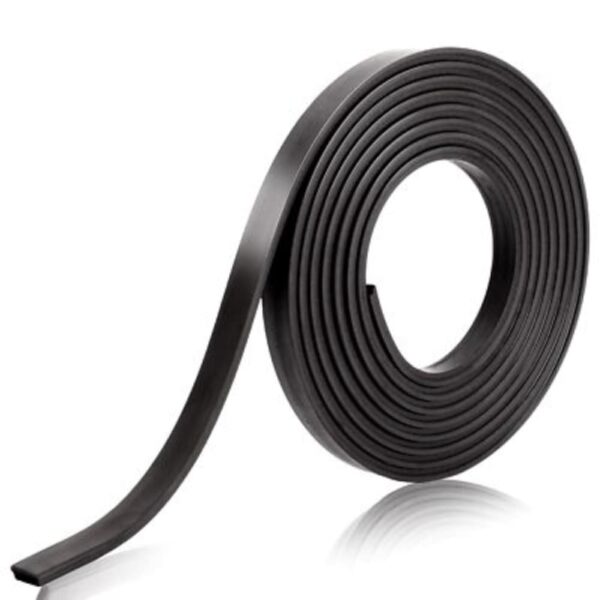
- Flexible Magnet supports custom sizes, custom thickness, die-cutting, and laminating support. Its process compatibility with roll-to-roll production and CNC contour cutting reduces tooling investment—ideal for low-to-mid volume OEM runs in Automotive Components or Industrial Automation subassemblies.
- SmCo Magnet requires precision machining post-sintering due to its brittle nature. While custom sizes and custom thickness are standard, complex geometries increase lead time and unit cost. However, its longevity and stability often offset upfront expense in mission-critical applications like motor rotors or precision sensing platforms.
- Both materials support full customization across shape, size, thickness, magnetization direction, and surface finish—enabling true engineering alignment rather than component compromise.
Best Applications for Each Option
Application fit is determined not by preference—but by physics-driven constraints:
- Choose Flexible Magnet when:
- You need a lightweight, conformable solution for curved panels, magnetic signage, or temporary fixturing;
- Your use case includes Retail Displays, Magnetic Labels, refrigerator seals, or printable branding;
- Installation speed and easy installation are prioritized over maximum pull force;
- You require custom magnetic properties via tailored magnetization patterns or laminated multi-layer configurations.
- Choose SmCo Magnet when:
- Your application demands stable performance above 250°C—or in corrosive, unsealed environments;
- You’re designing Sensors, Industrial Equipment, or Medical Devices where field consistency and long-term demagnetization resistance are non-negotiable;
- You require high coercivity and energy product in compact form factors—such as within tight-tolerance Magnetic Assemblies or brushless motor cores;
- You need custom sizes and precision machining to meet exact dimensional tolerances in safety-critical systems.
Which One Should You Choose?
There is no universal “best” magnetic material—only the most appropriate one for your functional envelope. If your requirement includes bending, printing, lightweight mounting, or rapid iteration across Industrial Automation subsystems, the Flexible Magnet is the optimized solution. If your design mandates thermal resilience, corrosion immunity, and high-field density in constrained spaces—as seen in aerospace actuators, MRI ancillary systems, or high-efficiency Automotive Components—then SmCo Magnet is the technically grounded selection.
For hybrid needs—such as a thermally stable base layer with a flexible interface—engineers increasingly combine both: using SmCo Magnet as the primary flux source and Flexible Magnet as a compliant coupling or shielding layer. This layered approach leverages the distinct advantages of each Flexible magnetic material and rigid magnet class without compromising core performance.
Nibboh’s engineering team supports this decision-making with application-specific validation—not catalog-based assumptions. Whether you’re specifying for Industrial Equipment, developing next-gen Sensors, or re-engineering Retail Displays, material selection begins with use-case fidelity.
FAQ
Q: What is the difference between a flexible magnet and a rigid magnet?
A: Flexible magnets are lightweight and bendable, making them ideal for curved surfaces and printable applications. Rigid magnets provide higher magnetic strength and are better suited for demanding industrial environments.
Q: When should I choose a flexible magnet?
A: Flexible magnets are ideal for signage, magnetic labels, retail displays, refrigerator seals, and applications requiring lightweight and custom-shaped magnetic materials.
Q: Are rigid magnets stronger than flexible magnets?
A: Yes. Rigid magnets such as SmCo, NdFeB, and Ferrite generally provide much higher magnetic strength than flexible magnets, making them suitable for motors, sensors, and industrial equipment.
Q: Can flexible magnets be customized?
A: Yes. Flexible magnets can be customized in thickness, size, shape, printing, lamination, and magnetization pattern for OEM applications.
Conclusion
Selecting between Flexible Magnet and SmCo Magnet is fundamentally an engineering decision—not a procurement shortcut. The Flexible vs Rigid Magnet distinction reflects divergent physical behaviors, manufacturing pathways, and application envelopes. Flexible Magnet excels where adaptability, weight, and ease of integration matter most. SmCo Magnet delivers where thermal stability, corrosion resistance, and magnetic density define success. Neither is superior in absolute terms; both are essential tools in the modern Engineering Magnet Guide.
For projects spanning Medical Devices, Industrial Automation, or Automotive Components, the right choice emerges only after mapping functional requirements to material capabilities. Contact our engineering team to discuss your application requirements.