


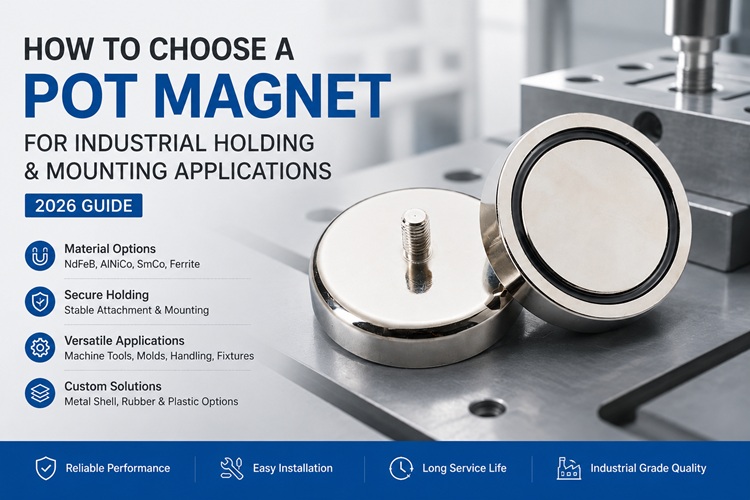
How to Choose a Pot Magnet for Industrial Holding and Mounting
Choosing the right pot magnet requires more than selecting a magnetic material or comparing nominal holding strength. For engineers, OEM buyers, procurement managers, and equipment manufacturers, the complete application should be evaluated—including the required holding function, mounting method, available installation space, contact surface, operating environment, and the type of ferromagnetic workpiece being held.
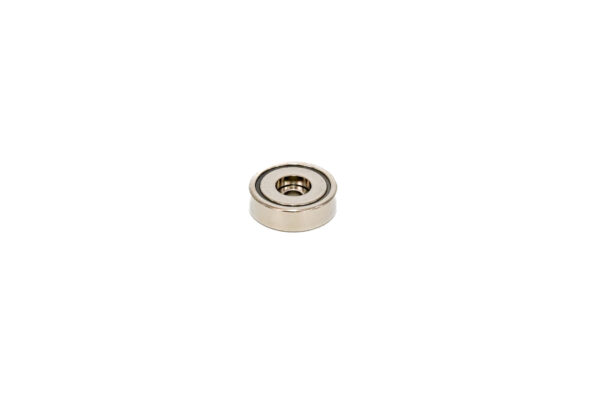
A pot magnet is a magnetic assembly that combines a permanent magnet with a metal shell and other components. This construction makes it suitable for industrial holding, mounting, positioning, and fixing applications where a bare permanent magnet may not provide the required mechanical integration.
1. Define the Holding and Mounting Requirement
The first step is to determine what the pot magnet needs to do in the application. Some projects require a component to hold a ferromagnetic workpiece in position, while others use magnetic attachment for fixtures, machine tool processing, mold manufacturing, handling, or other mechanical applications.
Before selecting a product, buyers should define:
- Holding function: What component or workpiece needs to be held or positioned?
- Mounting arrangement: How will the pot magnet be integrated into the equipment or fixture?
- Available space: What dimensional limits apply to the installation?
- Contact surface: What type of ferromagnetic surface will the magnet contact?
- Operating environment: Are there temperature, moisture, contamination, or other environmental considerations?
- Application conditions: Is the magnet used for static holding, repeated positioning, handling, or another process?
Defining these conditions before requesting a quotation helps the manufacturer evaluate whether a standard pot magnet configuration is appropriate or whether additional customization should be discussed.
2. Select the Appropriate Magnet Material
Nibboh pot magnets can use different permanent magnet materials, including NdFeB, AlNiCo, SmCo, and Hard Ferrite. Each material has different magnetic and environmental characteristics, so material selection should be based on the application rather than simply choosing the strongest available magnet.
| Magnet Material | What Buyers Should Evaluate |
|---|---|
| NdFeB | Consider when compact size and stronger magnetic performance are important. Confirm environmental and operating requirements for the specific application. |
| AlNiCo | Evaluate where operating temperature and magnetic characteristics are important to the design. |
| SmCo | Consider for applications requiring a different balance of magnetic performance and environmental capability. |
| Hard Ferrite | Evaluate for applications where ferrite magnetic properties, cost considerations, and available installation space match the project requirements. |
The final material should be confirmed according to required magnetic performance, operating environment, available space, temperature conditions, and project-specific requirements. If these factors are critical, provide them to the manufacturer during the selection stage rather than assuming that one magnet material is suitable for every pot magnet application.
3. Understand the Pot Magnet Structure
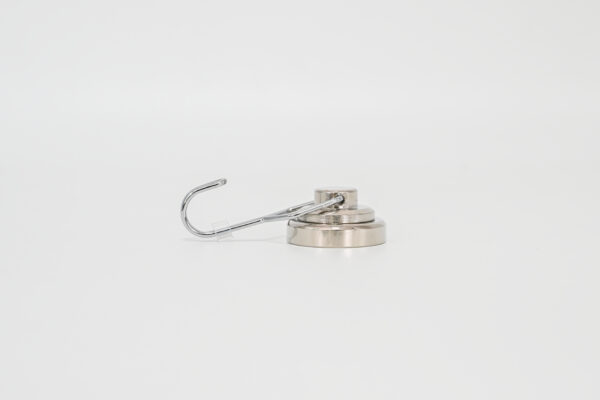
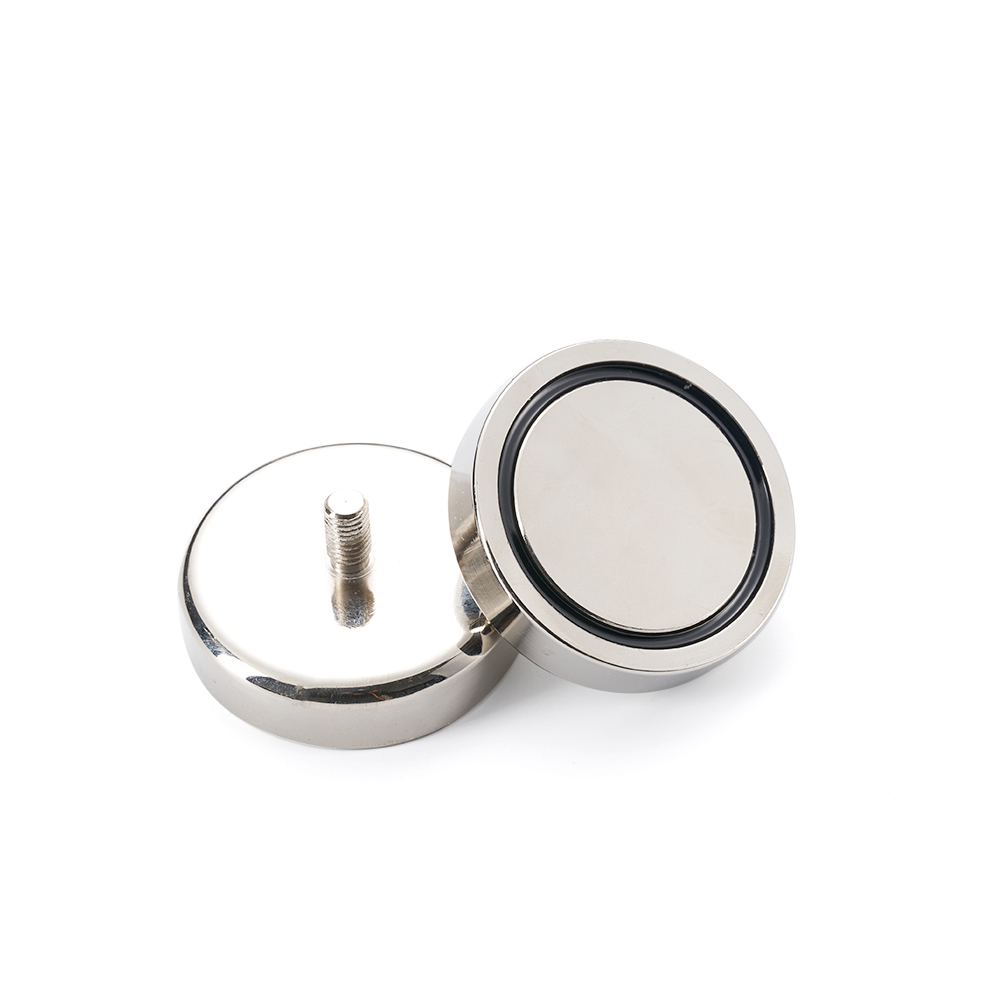
A pot magnet combines a permanent magnet with a metal shell and other components. The surrounding structure distinguishes a pot magnet from a bare permanent magnet and allows it to be integrated into industrial holding and mounting systems.
When evaluating different pot magnet designs, buyers should confirm the actual structure offered for the specific product. Important questions may include:
- What magnet material is used?
- What are the overall dimensions?
- How is the product mounted?
- What type of metal shell or housing is used?
- Are rubber or plastic components required?
- What holding performance is required for the actual contact condition?
Do not assume that pot magnets with similar external dimensions are interchangeable. Internal magnetic material, structure, mounting arrangement, and application requirements can differ between designs.
4. Check the Mounting Method and Installation Space
Mounting compatibility is an important part of pot magnet selection. The magnet must fit the available installation space and integrate correctly with the fixture, machine, tooling, or equipment in which it will be used.
Buyers should provide dimensional drawings or installation information where possible. If the project has specific mounting requirements, these should be confirmed with the manufacturer before ordering.
Important installation details can include:
- Available diameter, height, or installation envelope
- Required mounting orientation
- Location of the working magnetic face
- Clearance around adjacent components
- Required connection to the fixture or equipment
- Whether a standard or customized structure is needed
For OEM projects, confirming these dimensions early can reduce the risk of discovering mechanical incompatibility during equipment assembly.
5. Evaluate the Contact Surface
Magnetic holding performance depends not only on the magnet itself but also on the surface it contacts. Pot magnets are intended for attachment and fixing of ferromagnetic workpieces, so the workpiece material and contact condition should be considered during selection.
Surface gaps, contamination, coatings, curvature, roughness, or incomplete contact can influence practical holding performance. For this reason, buyers should evaluate the pot magnet using a contact condition that represents the real application whenever holding performance is critical.
If the workpiece has a painted, coated, irregular, or otherwise non-standard surface, provide that information to the manufacturer when discussing product selection.
6. Consider Rubber and Plastic Component Options
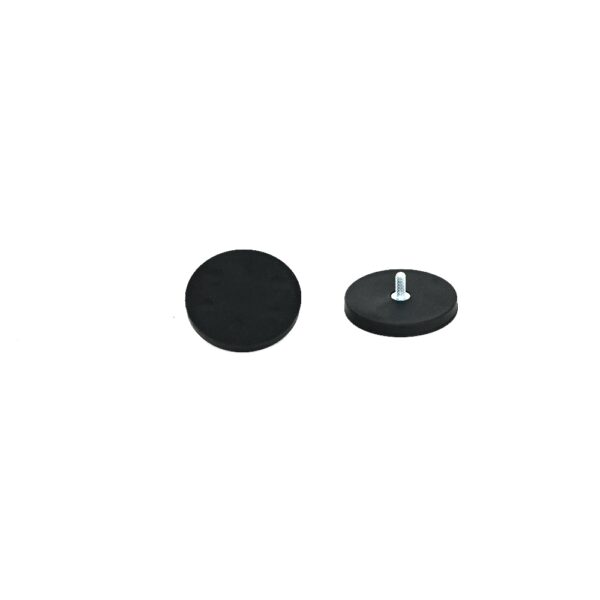
Nibboh’s pot magnet product information includes rubber and plastic options in addition to the permanent magnet and metal shell structure.
These materials may be used in different configurations depending on the installation and application requirements. Buyers should confirm the purpose, material, structure, and compatibility of any rubber or plastic component for the specific product rather than assuming that every option provides the same function.
When additional components are required, useful questions include:
- Is the component part of the mounting structure or working surface?
- Does it change the overall dimensions?
- Does it affect how the magnet contacts the workpiece?
- Is the material suitable for the intended environment?
- Does the selected configuration affect magnetic holding performance?
7. Consider the Operating Environment
The environment in which the pot magnet operates should be discussed before final material and structure selection. Temperature, moisture, contaminants, mechanical exposure, and other conditions can influence the suitability of a magnetic component.
Because Nibboh’s published Pot Magnet page does not specify universal operating temperature, coating, corrosion-resistance, or environmental ratings for every configuration, these parameters should be confirmed according to the individual application.
For industrial projects, buyers should communicate any relevant environmental requirements during the technical review stage instead of selecting a product from material name alone.
8. Determine Whether Customization Is Required
Standard pot magnet configurations may be suitable for many holding and mounting tasks, but OEM equipment and specialized fixtures can have different dimensional, structural, or performance requirements.
If the application requires customization, provide the manufacturer with clear information as early as possible. Useful project information may include:
- Application description
- Required holding function
- Magnet material preference, if already specified
- Available installation dimensions
- Mounting requirements
- Workpiece material and contact condition
- Operating environment
- Target quantity
- Drawings or assembly information where available
Final dimensions, mounting structure, material configuration, and magnetic performance should be confirmed with the manufacturer for the specific project.
Common Pot Magnet Selection Mistakes
Choosing by Size Alone
Two pot magnets with similar external dimensions may use different magnet materials, structures, or mounting designs. Buyers should compare the complete specification and application requirements rather than treating dimensions as the only selection criterion.
Choosing the Strongest Magnet Material by Default
The strongest available magnetic material is not automatically the best choice. Available installation space, operating environment, required holding function, cost target, and overall system design should be considered together.
Ignoring the Real Contact Condition
Holding performance should be evaluated under realistic contact conditions. A clean, flat test surface may not represent an actual workpiece with coatings, gaps, uneven geometry, or contamination.
Confirming Customization Too Late
Waiting until final prototyping to discuss non-standard dimensions, mounting structures, or application requirements can create avoidable redesign work. OEM buyers should communicate special requirements during initial product selection whenever possible.
Pot Magnet Selection Checklist for Industrial Buyers
| Selection Factor | What to Confirm |
|---|---|
| Application | Holding, mounting, positioning, fixing, handling, or other intended function |
| Workpiece | Ferromagnetic material and actual contact condition |
| Magnet Material | NdFeB, AlNiCo, SmCo, Hard Ferrite, or another confirmed configuration |
| Dimensions | Available installation space and required product dimensions |
| Mounting | How the pot magnet will connect to the fixture or equipment |
| Contact Surface | Flatness, coating, cleanliness, gaps, and other relevant conditions |
| Environment | Temperature, moisture, contamination, and other application conditions |
| Additional Components | Need for rubber, plastic, or other structural components |
| Performance | Required holding performance under the actual working condition |
| Customization | Any project-specific dimensions, structure, material, or integration requirements |
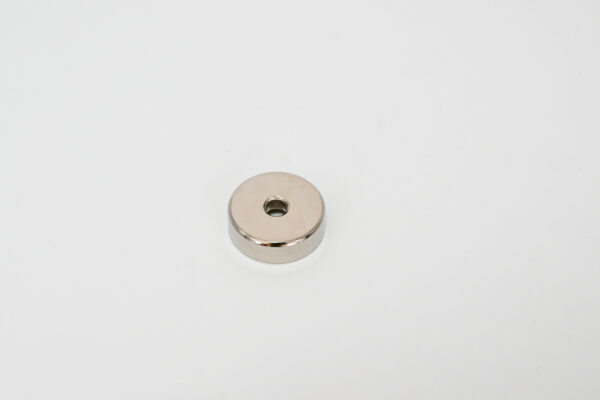
Nibboh Pot Magnet: Materials and Industrial Applications
The Nibboh Pot Magnet is a magnetic component consisting of a permanent magnet combined with a metal shell and other components. Published material options include NdFeB, AlNiCo, SmCo, and Hard Ferrite, with rubber and plastic options also available according to product configuration and application requirements.
Published application areas include:
- Industrial holding and mounting
- Attachment and fixing of ferromagnetic workpieces
- Workpiece positioning and fixing
- Machine tool processing
- Mold manufacturing
- Lifting and handling
- Mechanical processing
- Engineering construction
Because holding force, dimensions, mounting details, operating temperature, surface treatment, magnet grade, and other performance parameters are not universal across all pot magnet configurations, buyers should provide their application requirements and confirm the final specification with Nibboh before ordering.
FAQ About Pot Magnets
What is a pot magnet used for?
Pot magnets are used for holding, mounting, positioning, and fixing ferromagnetic components. Industrial applications can include machine tool processing, mold manufacturing, handling, mechanical processing, and other equipment or fixture applications.
What magnet materials are available for pot magnets?
Nibboh lists NdFeB, AlNiCo, SmCo, and Hard Ferrite as available magnet materials for pot magnet configurations. The appropriate material should be selected according to required magnetic performance, installation space, operating environment, and other project requirements.
How do I choose the right pot magnet for an industrial application?
Start by defining the holding function, workpiece material, mounting method, available installation space, contact surface, operating environment, and required performance. Then confirm the appropriate magnet material, dimensions, structure, and other specifications with the manufacturer.
Are pot magnets suitable for holding ferromagnetic workpieces?
Yes. Pot magnets can be used to attach and fix ferromagnetic workpieces, including applications related to machine tool processing and mold manufacturing.
Does contact surface condition affect magnetic holding performance?
Yes. Gaps, coatings, contamination, curvature, surface roughness, and incomplete contact can influence practical magnetic holding performance. Buyers should evaluate the product under contact conditions that represent the actual application.
Can pot magnets be customized for OEM applications?
Project-specific requirements should be discussed with the manufacturer. Buyers should provide installation dimensions, mounting requirements, workpiece information, operating conditions, required holding function, and drawings where available so the final configuration can be evaluated.
Choosing the Right Pot Magnet for Your Application
Selecting the right industrial pot magnet is a system-level decision rather than simply choosing a magnet material. The magnet, metal shell, mounting arrangement, workpiece, contact surface, installation space, and operating environment all influence whether a configuration is appropriate for the application.
Nibboh offers pot magnet configurations using NdFeB, AlNiCo, SmCo, and Hard Ferrite, together with metal-shell construction and available rubber or plastic components. For industrial holding, mounting, machine tool processing, mold manufacturing, lifting and handling, or other ferromagnetic workpiece applications, buyers should define the project requirements first and then confirm the final material, structure, dimensions, and performance specifications with Nibboh.