


Understanding the Selection Challenge
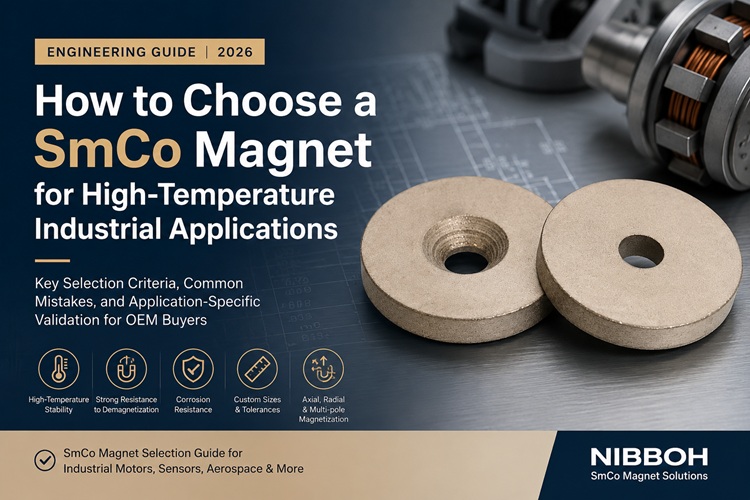
Design engineers and procurement managers working on high-temperature industrial equipment need to select permanent magnets based on the complete operating environment rather than material name alone. Temperature exposure, magnetic performance, dimensions, magnetization direction, and environmental conditions can all affect whether a magnet remains suitable throughout the intended service life.
A SmCo magnet, or samarium cobalt magnet, is commonly considered when an application places greater emphasis on temperature stability and resistance to demagnetization. However, suitability still depends on the specific SmCo grade, magnetic circuit, geometry, operating temperature profile, and assembly conditions. For OEM projects, the safest approach is to define the application requirements first and then evaluate the magnet configuration against verified technical data.
Key Evaluation Criteria for SmCo Magnet Selection
Selecting the right samarium cobalt magnet requires balancing several engineering factors. These criteria should be evaluated together because a change in temperature, geometry, magnetic circuit, or magnetization requirement can affect the final magnet specification.
Operating Temperature
Temperature is one of the most important selection factors for high temperature permanent magnet applications. Buyers should define the normal operating range, possible peak temperatures, exposure duration, and whether the magnet will experience repeated thermal cycling.
The allowable operating temperature of a SmCo magnet should not be treated as a single universal value. It depends on the specific material grade, magnet geometry, magnetic circuit, and application conditions. Engineers should therefore evaluate temperature capability using verified data for the intended configuration rather than relying on a generic material rating.
Magnetic Performance and Coercivity
Required magnetic output should be defined at the system level. Depending on the application, engineers may need to consider magnetic flux, field strength, remanence, coercivity, intrinsic coercivity, or maximum energy product.
Intrinsic coercivity is particularly relevant when evaluating resistance to demagnetization from elevated temperature or opposing magnetic fields. However, higher coercivity does not automatically mean that a magnet will deliver the highest magnetic output. Parameters such as Br, Hcj, and BHmax should be evaluated together according to the magnetic circuit and operating conditions.
Temperature Stability
SmCo magnets are often selected for applications where magnetic performance must remain relatively stable across temperature changes. This can be important in industrial motors, sensors, automation systems, precision instruments, and other equipment where changes in magnetic output may affect system accuracy or control performance.
Engineers should evaluate the temperature behavior of the selected SmCo grade across the actual operating range and consider both normal operating conditions and possible thermal cycling.
Corrosion and Operating Environment
The surrounding environment can influence magnet selection just as much as temperature. Moisture, chemicals, salt exposure, condensation, process fluids, or other environmental factors may affect long-term durability.
SmCo is generally considered to offer good corrosion resistance compared with some other rare-earth magnet materials, but this should not be interpreted as universal resistance to every environment. Buyers should define the actual exposure conditions and determine whether additional protection or special handling requirements are needed for the intended application.
Magnet Dimensions, Shape, and Tolerance
Magnet geometry affects magnetic performance, assembly fit, manufacturability, and cost. OEM buyers should provide the required dimensions and shape as early as possible, preferably through an engineering drawing.
Common design considerations include:
- Overall magnet dimensions
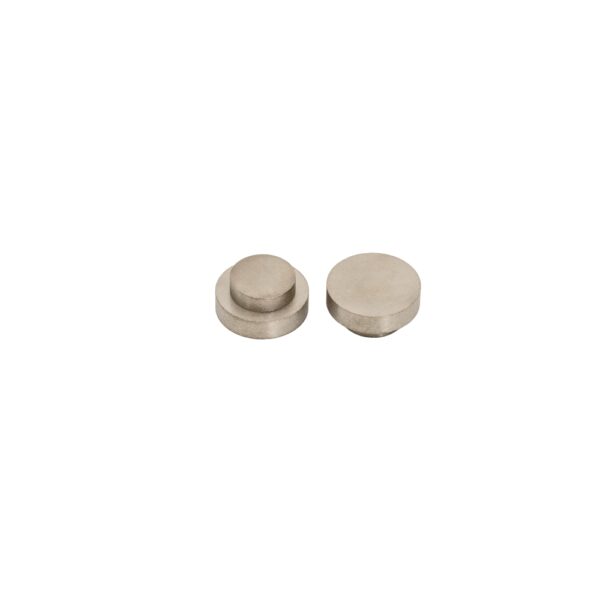
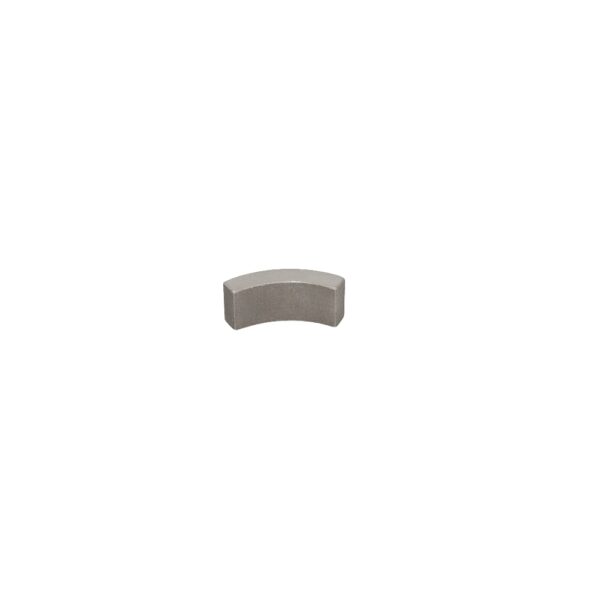
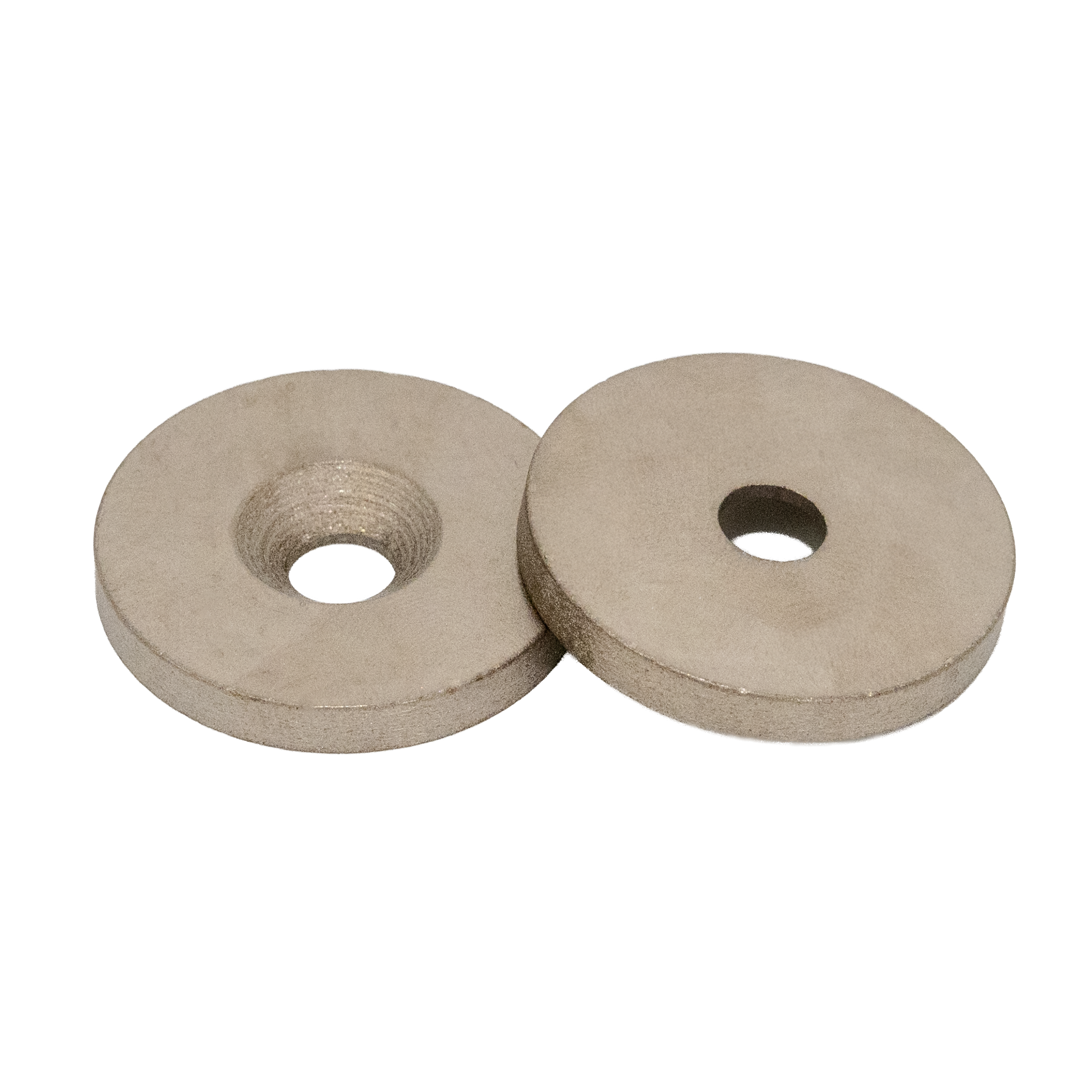
- Ring, disc, block, arc, or segment geometry
- Wall thickness and edge features
- Assembly clearance
- Air-gap requirements
- Dimensional tolerances
Tolerances should be based on functional requirements rather than made tighter than necessary. Unnecessarily restrictive tolerances can increase manufacturing difficulty without improving system performance, while insufficient control may affect assembly fit or magnetic consistency.
Magnetization Requirements
Magnetization direction should be specified according to the magnetic circuit and assembly design. Depending on the application, requirements may include axial, radial, or multi-pole magnetization.
OEM buyers should clearly identify the required magnetization direction in drawings or technical documentation and confirm feasibility with the supplier before production. Magnetization should be treated as part of the initial design specification rather than decided after the magnet geometry has already been finalized.
Common Mistakes Buyers Make When Selecting SmCo Magnets
1. Selecting by Material Name Alone
Specifying only “SmCo” does not provide enough information for an engineering or purchasing decision. Different applications may require different magnetic properties, temperature capability, geometry, tolerances, and magnetization directions. Buyers should define the actual operating requirements before choosing a specific configuration.
2. Evaluating Temperature Without Considering the Environment
A magnet that performs reliably at elevated temperature in one environment may require additional evaluation when heat is combined with moisture, corrosive media, process chemicals, or repeated thermal cycling. Temperature should therefore be evaluated together with environmental exposure.
3. Specifying Tolerances Without Functional Context
Dimensional tolerances should reflect the actual assembly and performance requirements. Buyers should consider assembly fit, air-gap control, magnetic circuit requirements, and manufacturing cost before defining tolerance limits.
4. Deferring Magnetization Requirements
Magnetization direction can affect both magnet design and final system performance. If this requirement is not defined early, buyers may need to revise drawings or magnet geometry later in the development process. The magnetization requirement should therefore be included in the initial RFQ or technical specification.
5. Comparing Quotations Without Confirming the Same Specification
Two quotations for a custom SmCo magnet may not be directly comparable if they are based on different grades, tolerances, magnetization requirements, or testing conditions. Procurement teams should confirm that suppliers are quoting against the same drawing and technical requirements before comparing price.
What Information Should Buyers Include in an SmCo Magnet RFQ?
A clear RFQ helps the SmCo magnet manufacturer understand the application and reduces unnecessary revisions during quotation and sampling. OEM buyers should provide as much confirmed engineering information as possible.
A practical RFQ should include:
- Application: Brief description of the equipment or assembly in which the magnet will be used
- Dimensions and shape: Magnet drawing, dimensions, and geometry
- Dimensional tolerances: Required tolerances based on assembly needs
- Operating temperature: Normal operating range and relevant peak conditions
- Magnetic performance: Required magnetic properties or system-level magnetic targets where available
- Magnetization direction: Axial, radial, multi-pole, or other defined requirements
- Application environment: Moisture, chemicals, corrosion exposure, or other relevant conditions
- Assembly information: Magnetic circuit, surrounding materials, or air-gap information where relevant
- Quantity: Expected prototype, sample, and production quantities
- Testing or documentation: Any project-specific inspection, testing, or documentation requirements
Engineering drawings and reference samples are especially useful when the magnet must fit an existing assembly. If the final SmCo grade has not yet been determined, buyers can provide the application conditions and magnetic requirements first and then confirm the final specification with the supplier.
How to Compare SmCo Magnet Suppliers
For B2B sourcing, supplier evaluation should focus on the ability to understand and confirm the technical specification rather than price alone. A useful supplier should be able to review drawings, clarify missing requirements, and identify whether the requested magnet configuration is feasible.
When evaluating a SmCo magnet manufacturer, buyers may consider:
- Whether the supplier requests complete engineering information before quoting
- Whether dimensions, tolerances, and magnetization requirements are clearly documented
- Whether the supplier can review drawings or reference samples
- Whether magnetic requirements are confirmed against the intended application
- Whether sample specifications match the final production specification
- Whether project-specific testing or documentation requirements can be discussed when needed
This approach helps procurement teams compare suppliers on the same technical basis and reduces the risk of selecting a magnet based only on nominal material type or unit price.
NIBBOH SmCo Magnet as a Product Reference
The NIBBOH SmCo Magnet can serve as a product reference for engineers and OEM buyers evaluating samarium cobalt magnets for demanding industrial applications.
Before selecting a specific configuration, buyers should define the application’s operating temperature range, required magnetic performance, dimensions, shape, tolerances, magnetization direction, and environmental conditions. These requirements can then be discussed with NIBBOH to determine an appropriate SmCo magnet specification.
Exact SmCo grade, magnetic properties, operating temperature limits, dimensions, tolerances, coatings, and other project-specific parameters should be confirmed against the final technical requirements rather than assumed from the material category alone.
FAQ
What factors should engineers consider when choosing a SmCo magnet?
Engineers should consider operating temperature, required magnetic performance, resistance to demagnetization, environmental conditions, magnet dimensions and shape, tolerances, and magnetization requirements. Final specifications should be matched to the actual application rather than selected by material type alone.
Why are SmCo magnets used in high-temperature applications?
SmCo magnets are commonly considered for high-temperature applications because samarium cobalt offers strong temperature stability and resistance to demagnetization. The allowable operating temperature depends on the specific SmCo grade, magnet design, and application conditions, so project-specific limits should be confirmed before selection.
How do operating temperature and magnetic requirements affect SmCo magnet selection?
Operating temperature and required magnetic output are key factors when selecting a SmCo magnet. Engineers should define the application’s temperature range and magnetic performance r
equirements first, then evaluate a suitable SmCo grade and magnet configuration based on verified technical data.
What specifications should OEM buyers provide when requesting custom SmCo magnets?
OEM buyers should provide the required dimensions, shape, tolerances, operating temperature range, magnetic performance requirements, magnetization direction, application environment, expected quantity, and any applicable testing or documentation requirements. Engineering drawings or reference samples can also help clarify the specification.
When should engineers consider SmCo instead of NdFeB magnets?
SmCo may be considered when temperature stability, resistance to demagnetization, or performance in demanding environments is especially important. NdFeB may be preferred when higher magnetic strength or other design priorities are more important. The final choice should be based on the application’s temperature, magnetic, dimensional, environmental, and cost requirements.
Conclusion
Choosing a SmCo magnet for a high-temperature industrial application should begin with the operating conditions and system requirements rather than a generic material designation. Temperature profile, magnetic performance, dimensions, tolerances, environmental exposure, and magnetization direction should all be defined before a specific configuration is approved.
For OEM buyers and engineering teams, providing these requirements together with drawings or reference samples makes supplier evaluation, sampling, and quotation more efficient. It also helps ensure that different suppliers are being compared against the same technical specification.
The NIBBOH SmCo Magnet can be used as a starting point for discussing application-specific requirements. Buyers should confirm the final grade, magnetic properties, temperature capability, geometry, tolerances, magnetization, and any project-specific requirements before production.