


Introduction
Magnets power modern technology. Many electric car motors and important medical devices need these strong parts. Engineers use rare-earth magnets. People often call these strong items Neodymium Iron Boron, or NdFeB magnets. Water damages these parts. Exposure to bad weather or strong chemicals makes these powerful magnets break down fast. Rust destroys their strength. The bare magnets turn into dust without a good protective shield.
You need good protection. Understanding your Magnet Coating Options and Surface Protection is absolutely essential for any serious design project. The right barrier helps. A smart engineering choice dictates the total lifespan of your final product.
This guide explains protection. We will explore the science behind magnet corrosion protection and compare traditional NdFeB coating options. You will learn facts. We help you navigate the complex debate of magnet plating vs coating. Designers build wind turbines. Business buyers purchase parts for new consumer electronics every single day. These surface treatments help. Mastering these coatings ensures your magnetic assemblies perform flawlessly in any harsh environment.
Why Magnet Coating and Surface Protection Matter
Magnets need strong shields. We must look at the elemental composition of standard neodymium magnets. Magnets contain pure iron. The raw material has more than sixty percent iron inside its core. Wet air hurts iron. The iron oxidizes rapidly when it meets regular room humidity. Rust ruins the magnet. This fast oxidation process destroys the raw magnet from the outside surface inward.
The Consequences of Unprotected Magnets
Loss of Magnetic Performance:Rust weakens the magnet. The effective volume of the magnetic material shrinks as the iron oxidizes. The magnet loses power. This serious problem leads to a permanent drop in overall magnetic strength.
Structural Failure:Corrosion expands the magnet. The expanding metal makes the magnet swell and become very brittle. The swelling breaks things. This sudden expansion can crack surrounding components inside tightly built machine assemblies.
Contamination Risks:Flaking rust releases dust. The loose dirt releases rough particles into the surrounding clean areas. The dust causes shorts. These dangerous particles cause short circuits or contaminate highly clean medical environments.
Engineers need safe parts. Implementing effective magnet corrosion protection is the only way to mitigate these risks. A barrier stops water. Creating a solid wall between the raw magnet alloy and the operating environment guarantees long-term durability. The shield blocks danger. The right neodymium magnet coating acts as a shield against moisture, salt spray, thermal stress, and mechanical impact.
Common Magnet Coating Options
The industry offers choices. Manufacturers provide a diverse array of NdFeB coating options for different problems. Each coating solves problems. Engineers design each option to address specific environmental challenges and physical threats. We explain the choices. The list below gives a detailed breakdown of the most prevalent choices available today.
Nickel Plating (Ni-Cu-Ni)
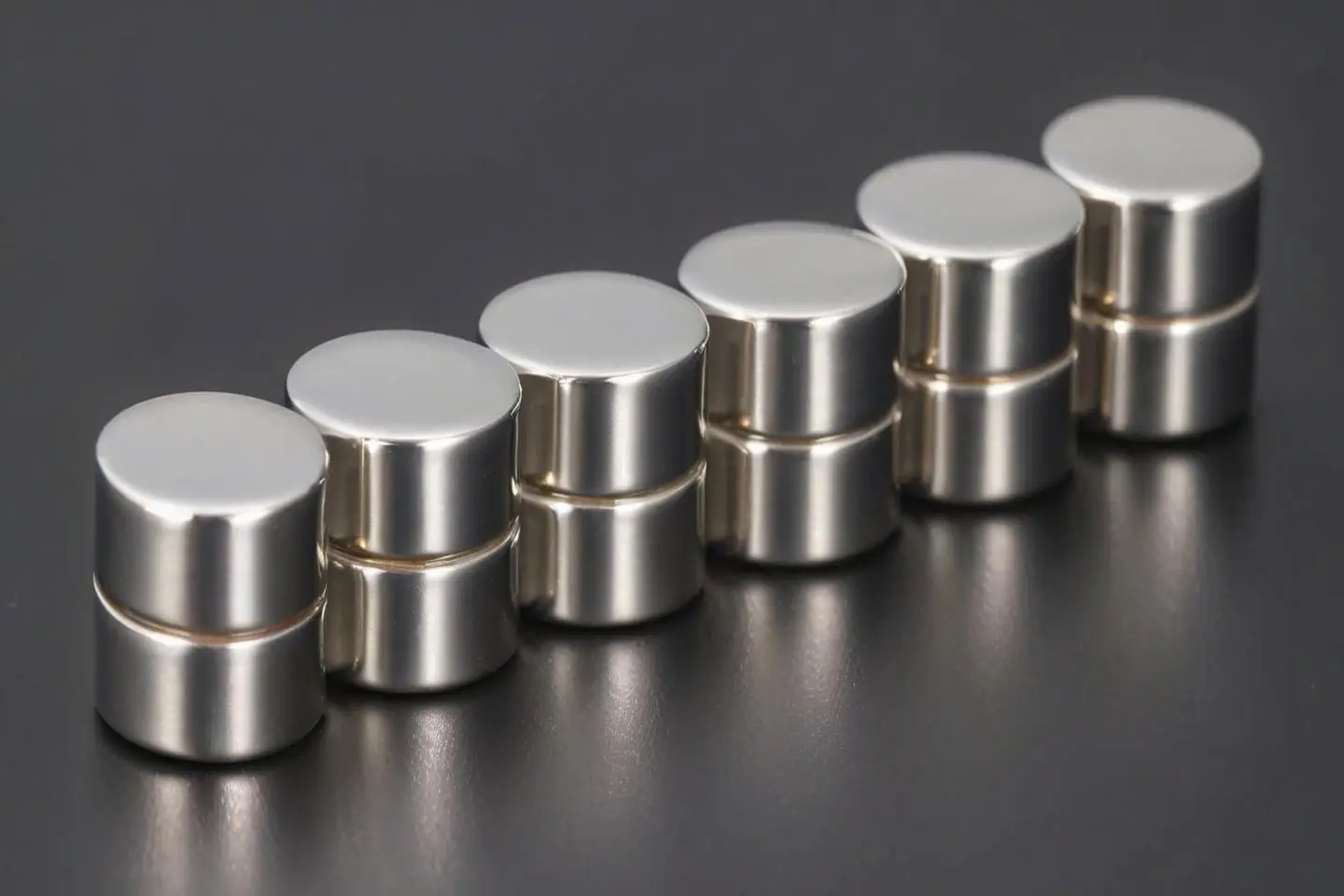
Nickel plating protects magnets. Nickel plating is the undisputed industry standard for standard neodymium magnet coating. The plating uses layers. It typically consists of a triple-layer structure containing Nickel, Copper, and Nickel. The base layer sticks. The base nickel layer provides strong adhesion to the raw magnet surface. The middle layer flexes. The middle copper layer adds elasticity and improves the overall corrosion resistance. The top layer shines. The top nickel layer delivers a bright and highly metallic finish. Nickel plated magnets resist wear. Nickel plated magnets are highly durable against physical wear and perform exceptionally well in dry, indoor environments.
Zinc Plating (Zn)
Zinc provides cheap protection. Zinc offers a highly cost-effective magnet surface treatment for basic uses. Workers apply one layer. The factory applies zinc as a thin, single layer over the bare magnet. Zinc acts as bait. The zinc acts as a sacrificial shield because it corrodes before the underlying magnet material does. The zinc turns white. The metal forms a white powder rather than red rust when it oxidizes. Zinc coated magnets save money. Zinc coated magnets are ideal for budget-conscious applications where cosmetic appearance is secondary.
Epoxy / Resin Coating
Epoxy stops water damage. Epoxy coated magnets are a top-tier choice for environments demanding superior moisture resistance. Factories add black epoxy. Workers typically apply the black epoxy resin over a standard Ni-Cu-Ni base layer. The resin forms walls. The dark material creates a formidable physical barrier against water, salt spray, and mild chemicals. Marine applications use epoxy. Engineers widely use epoxy coated magnets in marine applications, outdoor sensors, and automotive components.
Parylene Coating
Machines apply parylene gas. A specialized chemical vapor process applies parylene in a vacuum chamber. The gas coats perfectly. This process results in an ultra-thin, pinhole-free, even coating that perfectly matches the magnet’s shape. Parylene stops wet conditions. A parylene coating for magnets provides outstanding moisture resistance, high electrical resistance, and crucial safety for human bodies. Medical tools need parylene. This feature makes it the gold standard for medical implants and advanced aerospace electronics.
Copper, Gold, Tin, and Other Specialty Coatings
Gold (Ni-Cu-Au):Gold adds pure beauty. The process adds a thin layer of 24k gold over a nickel base. Gold stops salt fog. It offers excellent resistance to salt fog and is highly valued in jewelry and luxury applications.
Copper (Ni-Cu):Copper acts as glue. Factories often use it as an underlayer, but it can be a final finish for specific aesthetic or conductive requirements.
Tin (Sn):Tin protects food tools. It provides good corrosion resistance and is safe for incidental food contact in industrial settings.
Multi-Layer Coatings
Engineers combine different treatments. Manufacturers combine treatments to maximize the total magnet corrosion protection. A metal layer adds strength. A metallic plating topped with a polymer coating provides ultimate chemical and moisture resistance. This solves the debate. This smart combination solves the classic magnet plating vs coating dilemma by giving you the best of both worlds.
Pros, Cons, Cost, and Performance Comparison
You must choose carefully. Choosing the right NdFeB coating options requires balancing performance metrics against budgetary constraints. We compare the options. The table below shows how the primary options stack up against each other.
Coating Type | Pros | Cons | Relative Cost | Best For |
Nickel (Ni-Cu-Ni) | Nickel resists physical wear. | Prolonged moisture and salt water damage the shiny finish. | Low | Indoor electronics use nickel. |
Zinc (Zn) | Zinc saves much money. | Harsh chemicals easily destroy the dull appearance. | Very Low | Budget applications use zinc. |
Epoxy | Epoxy stops salt water. | High mechanical impact can chip the dark resin. | Medium | Marine applications use epoxy. |
Parylene | Parylene fits complex shapes. | The complex application process costs a lot of money. | High | Medical devices use parylene. |
Gold (Ni-Cu-Au) | Gold looks very pretty. | The thin layer can wear off over time. | High | Luxury goods use gold. |
Remember the main differences. You must remember important facts when analyzing magnet plating vs coating. Metal platings offer durability. Metallic platings offer better mechanical durability and higher temperature tolerance. Polymer coatings stop water. Polymer coatings provide vastly superior chemical barriers and block moisture better.
Factors to Consider When Choosing Magnet Coating
Engineers make important choices. Selecting the optimal neodymium magnet coating is a critical engineering decision. You must avoid failures. You should consider the following factors to avoid premature failure.
Operating Environment: The environment changes everything. The ambient conditions are the most significant variable for your project. Water damages bare magnets. You must know if the magnet will face high humidity, liquid submersion, or salt spray. Dry places need nickel. Nickel plated magnets or zinc coated magnets suffice for dry environments. Wet places need epoxy. Epoxy coated magnets or rubber-encased options are mandatory for wet or marine environments.
Chemical Exposure: Chemicals destroy basic platings. Standard metallic platings will fail rapidly if the application involves exposure to acids, alkalis, or industrial solvents. You need inert shields. A chemically inert magnet surface treatment like PTFE or a parylene coating for magnets is required in these scenarios.
Mechanical Stress and Abrasion: Impacts break the coating. You must know if the magnets will experience repeated impacts or friction. Hard hits chip epoxy. Epoxy can chip under hard impacts, exposing the raw magnet underneath. Rubber stops hard shocks. A durable plastic or rubber over-mold provides the best shock absorption in high-impact scenarios.
Operating Temperature: Heat melts plastic coatings. Polymer coatings have lower thermal limits compared to metallic platings. Metal handles high heat. A standard Ni-Cu-Ni plating can withstand temperatures up to 200 degrees Celsius. Heat ruins standard epoxy. Standard epoxy may degrade when temperatures rise above 150 degrees Celsius. You must match temperatures. Always match the coating’s thermal rating with the application’s peak temperatures.
Biocompatibility and Safety: Medical tools need safety. The coating must not react with human tissue for medical applications. Doctors use safe parylene. A parylene coating for magnets or a titanium nitride coating is strictly required to meet health and safety standards.
Advanced Surface Protection Technologies
Scientists invent new shields. Researchers are developing next-generation NdFeB coating options to meet extreme demands as industries push boundaries. The technology changes fast. The landscape of Magnet Coating Options and Surface Protection is rapidly evolving with exciting new breakthroughs.
Slippery Liquid-Infused Porous Surfaces (SLIPS)
SLIPS technology changes everything. The development of SLIPS technology for NdFeB magnets is an exciting breakthrough. Scientists use special chemicals. Scientists chemically engineer silica particles to form a dense plastic network filled with slippery oil. The shield fixes itself. They have created a special self-healing coating that repairs itself when scratched. This shield repels water. This advanced magnet surface treatment repels water, delays ice formation, and autonomously repairs microscopic scratches. This leap protects magnets. This represents a monumental leap in magnet corrosion protection for harsh environments like offshore platforms and polar regions.
Real-World Applications and Case Studies
Industries use these coatings. You can see the practical application of these coatings across various cutting-edge industries around the world.
Offshore Wind Turbines: Wind turbines use magnets. The massive generators in offshore wind turbines rely on tons of neodymium magnets. Salt air causes rust. These magnets require uncompromising protection because they operate in highly corrosive, salt-laden marine air. Builders use strong epoxy. Manufacturers utilize heavy-duty epoxy coated magnets, or advanced multi-layer systems and SLIPS technology, to ensure decades of maintenance-free operation.
Electric Vehicle (EV) Motors: Cars need tough parts. EV traction motors subject magnets to a brutal combination of high temperatures, mechanical stress, and potential chemical exposure from lubricants. Engineers pick strong coatings. The choice of neodymium magnet coating is critical here. They use special resins. Engineers often specify high-temperature-resistant epoxy resins to ensure the magnets survive the rigorous automotive lifecycle.
Medical Implants and Devices: Doctors use clean parts. A parylene coating for magnets is the absolute standard in the medical field. The shield stops poison. The magnet must be completely isolated from bodily fluids to prevent toxic leaching in bone implants or hearing devices. Parylene provides a seal. Parylene provides a flawless, safe, and airtight seal, ensuring patient safety and device longevity.
Conclusion
Protection stops early failure. Protecting your magnetic assemblies from the ravages of corrosion is a critical design requirement. The options cover everything. The landscape of Magnet Coating Options and Surface Protection is vast, ranging from the economical utility of zinc coated magnets to the sophisticated, life-saving properties of a parylene coating for magnets.
You must choose wisely. Understanding the specific environmental stressors your application will face is the key to making the right choice. Nickel gives physical strength. You might need the robust mechanical strength of nickel plated magnets or the waterproof resilience of epoxy coated magnets. You must weigh options. Selecting the optimal magnet surface treatment guarantees the longevity, safety, and performance of your products when you weigh the nuances of magnet plating vs coating.